 Click to view press release: Redoubling Recycling Efforts at Minnesota State Fair ...
 |
 |
Minnesota Recycling Bin Program
Event Recycling? Let us help!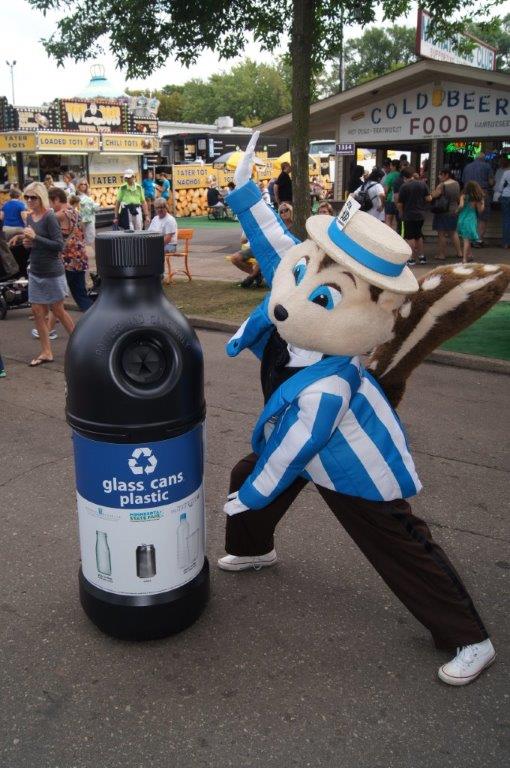
Latest News
30
Aug
Redoubling Recycling...
17
Jan
City Accepts Donation...
Payne Maryland Press Release ...
15
Jan
Unique Convenience...
Read this article by Maggie Mattacolaon from the Recycling Association of Minnesota. ...
American Beverage Association News
Minnesota Beverage Association
Since 1899, the Minnesota Beverage Association has been dedicated to promoting the preservation and advancement of Minnesota’s non-alcoholic beverage industry. The Minnesota Beverage Association is the voice for bottling firms, manufacturers and beverage companies across Minnesota. Through the MBA, the beverage industry is represented on legislative and regulatory issues affecting the industry, while supplying the public and policymakers with timely and accurate information.
Minnesota’s beverage industry is a growing business that employs thousands of workers throughout the state, invests in communities and contributes over $955 million dollars annually in state and federal taxes. Our members offer consumer countless brands, flavors and packaging choices: soft drinks, diet soft drinks, ready-to-drink teas, bottled waters, water beverages, 100 percent juice, juice drinks, sports drinks and energy drinks.
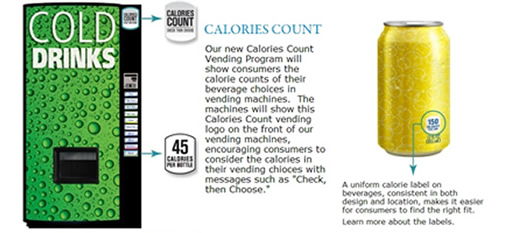
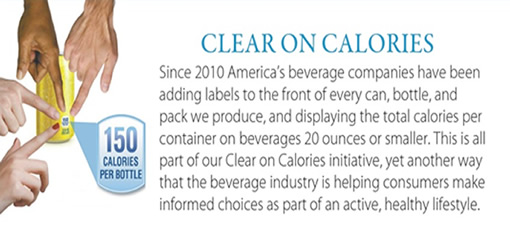
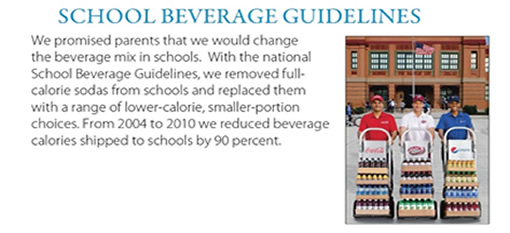
Collectively, our members continue to innovate and respond to consumer demands. Our efforts have cut calories in beverages and promoted the importance of a balanced diet and exercise in schools. We have made environmental stewardship a priority in industry operations, while searching for more ways to become even more environmentally conscious. We strive to communicate more effectively about our products and how they fit into a balanced lifestyle.
Please explore our site and learn more about Minnesota’s beverage industry.

Latest Tweets
